)
Belgian Homes Increasingly Vulnerable to Heat: Key Findings from New Climate Study
Extreme heat is becoming a growing challenge in Belgium. A new study conducted by KU Leuven and Archipelago Architects shows that today’s homes and urban environments are not sufficiently prepared for rising temperatures. During Batibouw, Prof. Nicole Van Lipzig and Joost Declercq presented their insights. The full video recording is now available.
)
Heat as a Silent Threat
According to Prof. Van Lipzig, 90% of weather‑related fatalities in Europe are caused by heat. Unlike storms or floods, heatwaves leave little visible damage, yet their impact is severe. The historic 2003 heatwave — responsible for 70,000 additional deaths across Europe — remains a stark reminder of the risks associated with prolonged high temperatures.
New Climate Scenarios Reveal Accelerating Heat Exposure
Using high‑resolution climate data (2.8 km), KU Leuven modelled how rising temperatures will affect Belgian homes. Their findings:
Today, homes experience fewer than 40 days per year above 25°C.
With +2°C global warming (potentially by 2039), hundreds of thousands of homes — and at least 700,000 residents — will be exposed to significantly higher heat loads.
Limburg, Hainaut and Luxembourg province are among the most affected regions.
Warm nights are expected to increase sharply, especially in urban heat islands, limiting the body’s ability to recover.
Rethinking Housing and Urban Design
Archipelago highlights that the challenge starts with urban planning: extensive paving, limited greenery, and insufficient shading all contribute to excessive heat buildup. Belgian homes are still designed primarily for winter efficiency, meaning they trap heat effectively — but this becomes a problem during summer.
The Cooling Ladder: Air Conditioning Should Be the Last Resort
Declercq emphasises the Cooling Ladder, a strategic approach to reducing heat stress in buildings:
Cool the surroundings
Add greenery, reduce paved surfaces, integrate water features.Block heat from entering
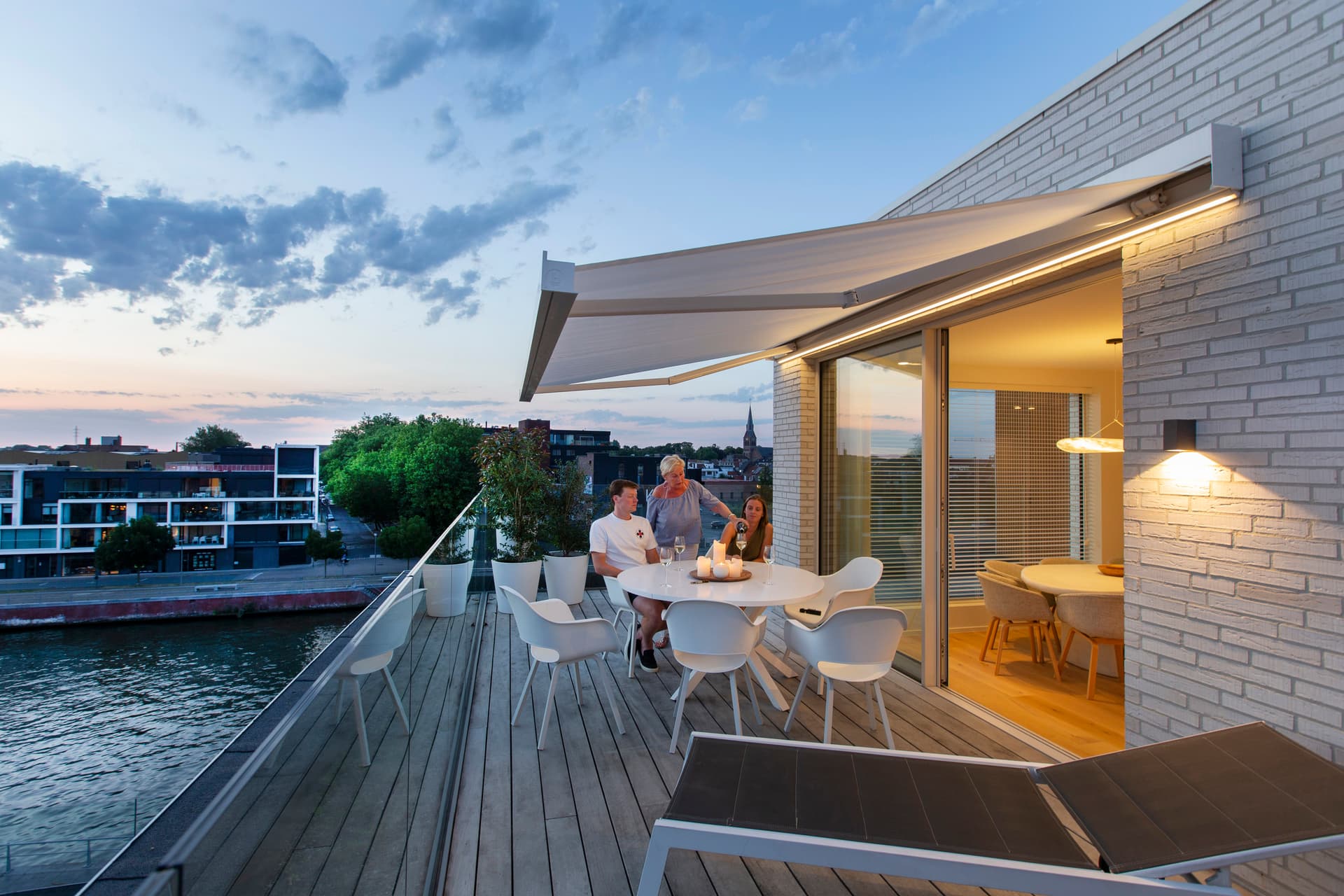
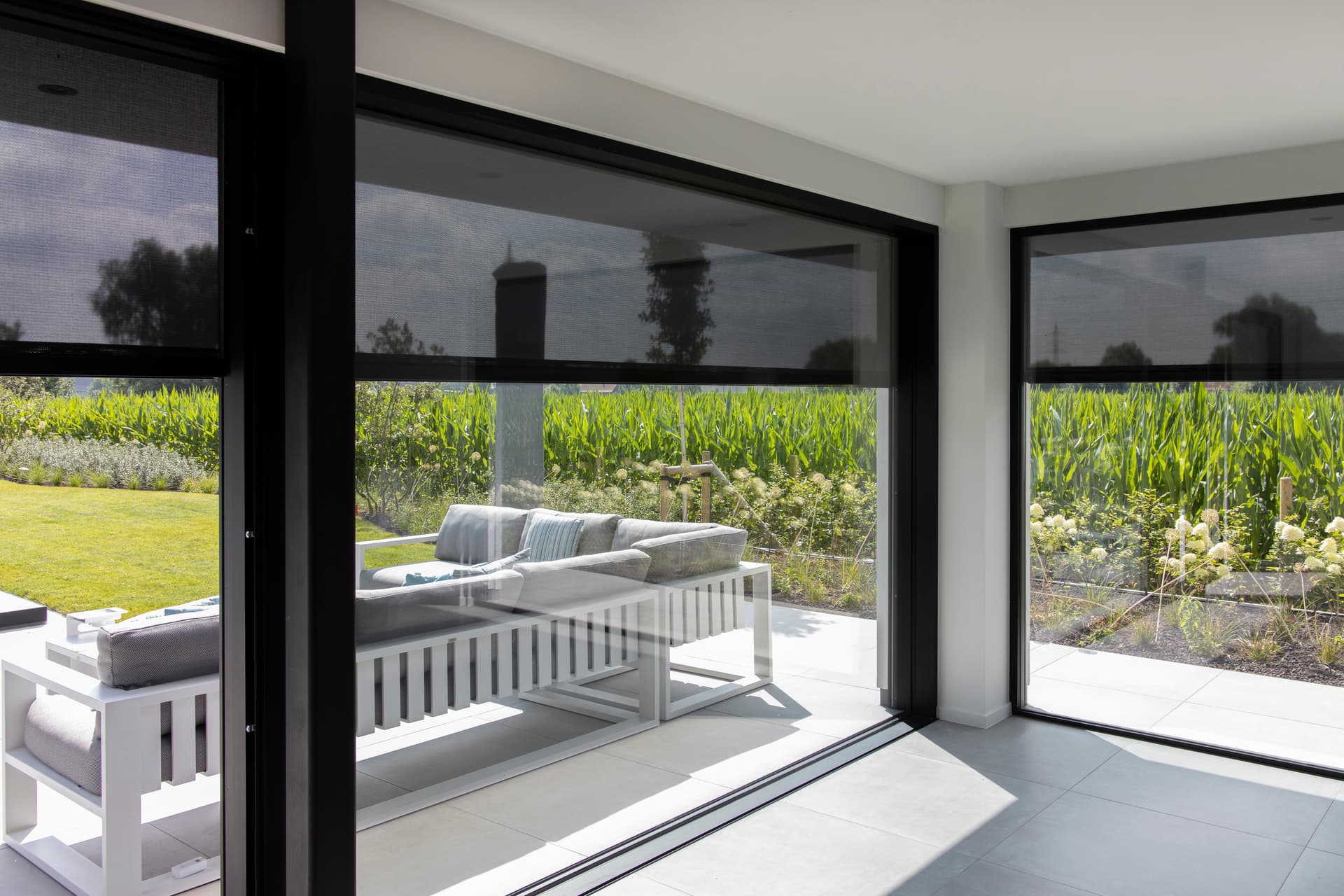
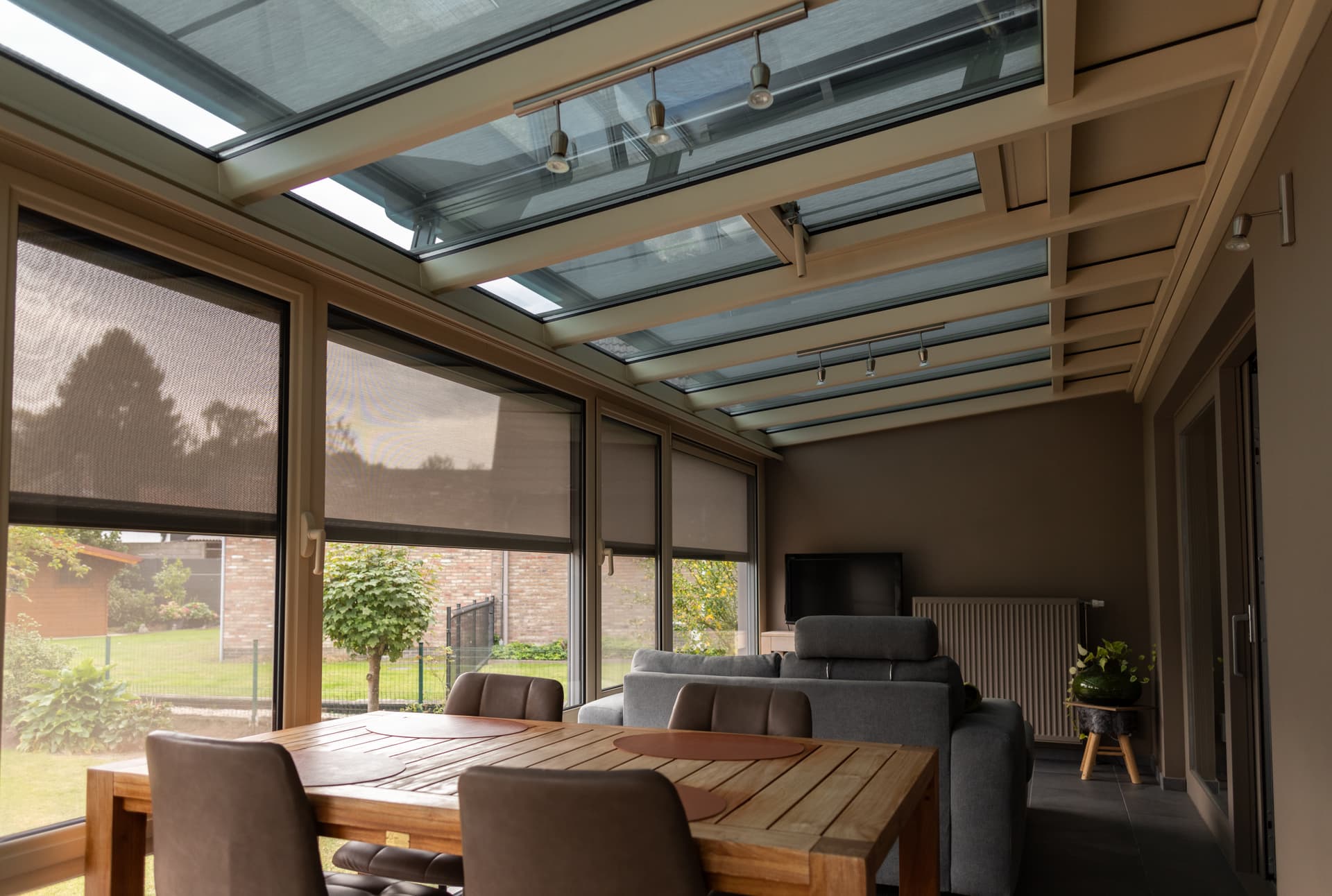
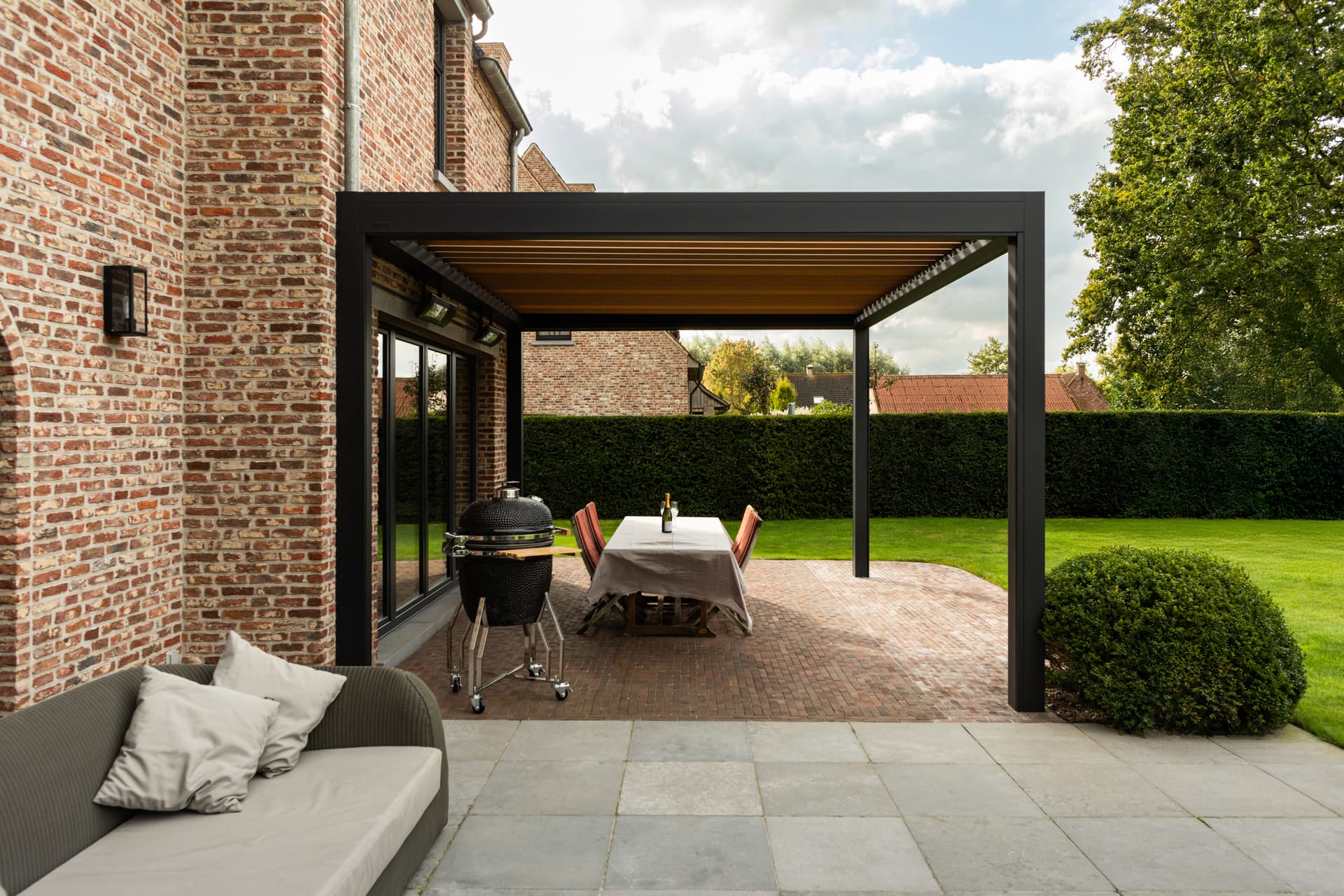
Use exterior shading, reflective materials, and light‑coloured roofs.Use passive cooling
Night ventilation, stack effect, and secure ventilation openings.Apply active cooling
Air conditioning or hydronic floor cooling only when other measures are insufficient.
Today, many households skip the first three steps and immediately install air conditioning — a quick fix that can worsen urban heat.
Read more at https://www.verozo.be/
)
)